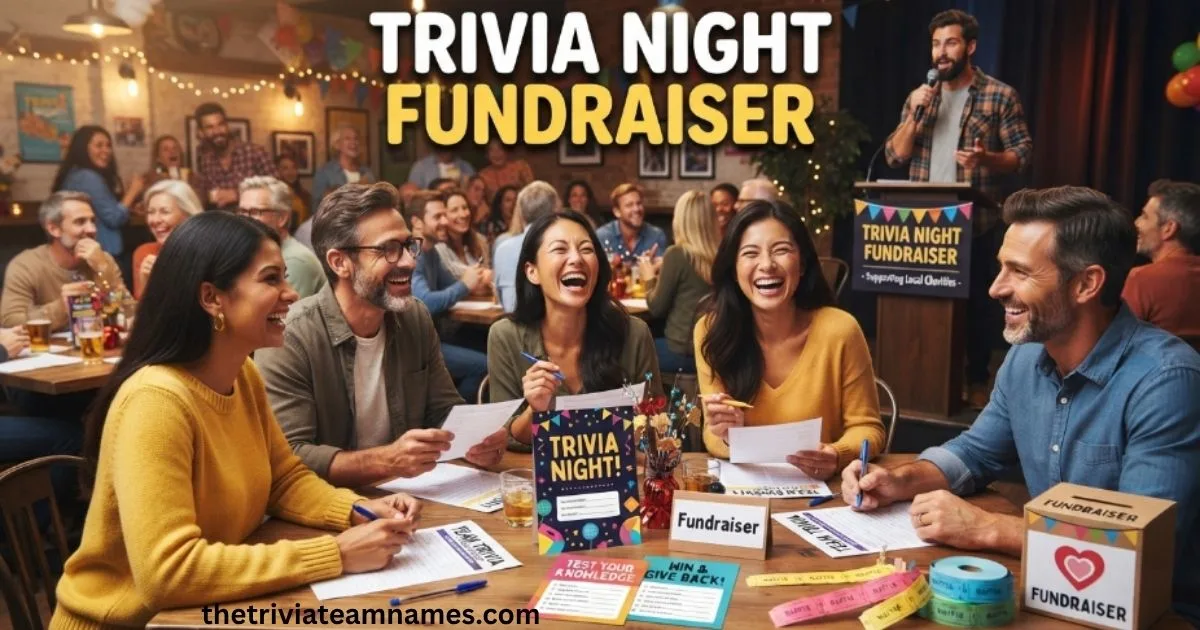
Trivia Night Fundraiser Plan a Fun, Profitable Event
A trivia night fundraiser can turn an ordinary evening into a memorable community event while raising money for a school, nonprofit, church, club, or charitable cause. The winning formula is simple: bring people together for team trivia, charge an accessible entry fee, then add smart revenue opportunities such as sponsorships, raffles, auctions, donations, and concessions.
After studying current fundraising guides and real-world event structures, the biggest challenge isn’t writing trivia questions it’s creating an experience people want to attend, enjoy, and support financially. A strong venue, engaging emcee, balanced quiz rounds, clear fundraising goal, and thoughtful donor experience can transform a basic quiz into an annual fundraising tradition.
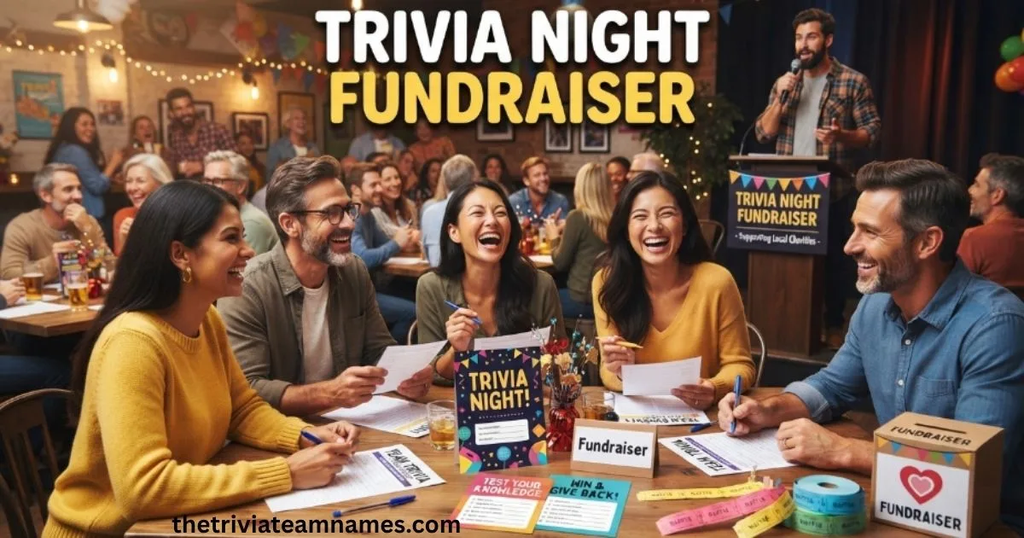
How a trivia night fundraiser makes money
The quiz attracts the crowd, but the entry fee is only one revenue stream. Current fundraising guides recommend combining team or individual tickets with paid trivia extras, raffles, auctions, sponsorships, donations, and food or beverage sales. This creates several opportunities for attendees to contribute without making the event feel like a constant donation request.
A practical example is a 15-team event where each team pays $100. That produces $1,500 before any extras. Add a few local sponsors, a donated-prize raffle, mulligans, and a silent auction, and the same room can generate substantially more. The key is stacking complementary revenue sources while keeping the quiz itself genuinely entertaining.
| Revenue source | How it works | Why it helps |
| Team entry | Charge per team | Predictable base revenue |
| Individual tickets | Sell seats separately | Helps smaller groups participate |
| Sponsors | Businesses sponsor rounds or event | Adds cash without raising ticket prices |
| Raffle | Sell tickets for donated prizes | Simple additional income |
| Silent auction | Guests bid during breaks | High-value fundraising opportunity |
| Mulligans | Teams buy answer advantages | Trivia-specific revenue |
| Hints | Sell clues during rounds | Adds interactive fundraising |
| Donations | Direct giving appeal | Captures additional generosity |
| Food & drinks | Sell or partner with venue | Creates another revenue stream |
Competitors also emphasize that sponsorships can be particularly valuable because local businesses receive visibility while the nonprofit receives cash or in-kind support. Donorbox specifically recommends round sponsors, activity sponsors, and food-and-beverage sponsors.
Step-by-Step Planning Your Trivia Night Fundraiser
Start with the cause and a measurable fundraising target. Then choose a date, venue, team size, ticket price, quiz format, host, questions, scorekeeping system, prizes, sponsors, and promotional channels. Nonprofit Point recommends approximately 6–8 rounds of 8–10 questions for a 2–2.5-hour trivia program, while Quizado favors a shorter four-to-six-round format for a 60–90-minute game.
Your audience should determine the final format. A school fundraiser might use family-friendly questions and school-related bonus rounds, while a community charity could mix general knowledge, music, sports, movies, history, and local trivia. Donorbox also recommends defining the target audience before making decisions about venue, theme, marketing, and ticketing.
Choose the Venue
Look for a room that supports team conversation, clear audio, visible questions, comfortable tables, and efficient score collection. Community halls, breweries, restaurants, schools, churches, and clubs can all work. Nonprofit Point recommends seating around 60–150 people for many community events, with tables of six to eight particularly suited to team play.
Set the Ticket Price
Your price should balance accessibility with the fundraising target. One current guide cites roughly $20–$40 per person or $80–$200 per team of four to six, while Donorbox notes that organizers can offer team/table pricing alongside individual tickets. Test the price against venue costs, expected attendance, food, prizes, and your desired net proceeds.
Write Better Trivia Questions
Question quality can make or break the evening. Mix easy, medium, and difficult questions so nobody feels lost and expert teams still have something to chase. Add picture rounds, music rounds, local knowledge, pop culture, sports, history, or a theme that connects naturally with your audience.
Recruit an Engaging Host
A good emcee keeps the event moving, explains rules, settles disputes, builds excitement, and introduces fundraising moments without making them uncomfortable. Nonprofit Point describes the host as the most important person in the room, while Donorbox recommends considering recognizable local personalities who can also help promote the event.
Build the Event Experience
Open registration before the first question so guests can settle in, purchase raffle tickets, order food, and meet their teammates. Between rounds, announce scores, introduce sponsors, share a short mission story, or run a fundraising activity. Ending with prizes, the final fundraising appeal, and a sincere thank-you creates a satisfying finish.
Trivia Night Fundraiser Ideas to Maximize Revenue
The most effective fundraising ideas don’t interrupt the fun they become part of it. Mulligans, sponsored rounds, raffles, silent auctions, bonus questions, hints, and themed challenges give participants additional ways to spend while keeping the competitive atmosphere alive. Quizado specifically recommends integrating fundraising rounds between quiz rounds rather than treating fundraising as a separate activity.

Think about the evening as a stack of small opportunities rather than one giant donation request. A $5 mulligan, $10 raffle purchase, donated auction item, $250 business sponsorship, and end-of-night contribution can each seem manageable individually. Together, they can significantly increase the fundraiser’s net proceeds without requiring hundreds of extra attendees.
Sponsor a Trivia Round
Ask local restaurants, dentists, realtors, law firms, gyms, retailers, or other businesses to sponsor individual rounds. Give each sponsor visible recognition on the question sheet or screen and have the host thank them aloud. Donorbox recommends round sponsorships, activity sponsorships, and food-and-beverage sponsorships as options.
Add a Silent Auction
A silent auction can run quietly in the background while the quiz remains the main attraction. Seek donated experiences, gift cards, restaurant packages, sports tickets, artwork, services, or themed baskets. Guests can browse during breaks, while the auction closes near the end of the event.
Sell Mulligans and Hints
Mulligans are particularly well suited to trivia because they connect fundraising directly to gameplay. A team pays a small amount for an advantage, such as replacing an incorrect answer or receiving an automatic point. Hints can use a similar model while preserving the competitive spirit.
Make Sponsors Part of the Story
Avoid simply placing logos around the room. Let sponsors introduce a round, donate a prize, provide refreshments, or connect their support to the cause. This makes the partnership feel meaningful rather than purely promotional and gives businesses a stronger reason to participate again next year.
Conclusion
A successful trivia night fundraiser is ultimately about creating a night people are excited to attend and proud to support. The quiz brings everyone together, but thoughtful ticket pricing, local sponsors, raffles, auctions, mulligans, donations, and refreshments can turn that shared experience into meaningful fundraising revenue.
The smartest organizers also think beyond one evening. Capture attendee information, thank supporters promptly, share the impact of their contributions, recognize sponsors, and announce the next event while the excitement is still fresh. That is how a simple trivia night fundraiser can grow from a one-time event into an annual community tradition.
FAQs
How much can a trivia night fundraiser raise?
Revenue varies enormously according to attendance, ticket pricing, sponsorships, raffles, auctions, venue costs, and other expenses. Nonprofit Point estimates that 10–20 teams can produce approximately $1,000–$5,000, while larger events with stronger sponsorship and auction revenue can exceed $5,000–$10,000. These should be treated as planning benchmarks, not guarantees.
How much should I charge for a trivia night fundraiser?
A common starting range is around $20–$40 per person or $80–$200 per team, depending on your audience and what the ticket includes. Consider offering both individual tickets and team/table packages so solo attendees and established groups can participate.
How do I host a trivia night fundraiser?
Choose the beneficiary and fundraising goal, book a suitable venue, establish ticket pricing and team size, prepare balanced questions, recruit a host and volunteers, secure sponsors and prizes, add fundraising activities, and promote the event. This sequence closely matches the practical workflow used by current fundraising guides.
How many rounds should a fundraiser quiz have?
There isn’t one universal number. Quizado recommends four to six rounds of roughly ten questions for a 60–90-minute quiz, while Nonprofit Point recommends six to eight rounds for a longer 2–2.5-hour program. Choose based on your audience, venue schedule, breaks, fundraising activities, and desired event length.
What are the best trivia night fundraising ideas?
Strong options include team entry fees, sponsorships, raffles, silent auctions, mulligans, paid hints, bonus rounds, concessions, direct donations, and donated prizes. The best combination depends on your audience and cause. Keep the activities simple enough that they enhance the evening rather than distracting from the quiz.
Can I host a trivia night fundraiser online?
Yes. Virtual trivia can use platforms such as Zoom or dedicated trivia software. Online events eliminate many venue expenses and can reach supporters outside your local area, although ticket pricing and engagement may differ from an in-person event. Hybrid events can also combine local attendees with remote supporters.
What makes a trivia night fundraiser successful?
The strongest events combine good questions, an energetic host, a comfortable venue, clear rules, reasonable pricing, strong promotion, useful prizes, multiple fundraising opportunities, and a compelling cause. Just as importantly, organizers should make guests feel that they attended a genuinely enjoyable night not merely a fundraising transaction.

Helping trivia lovers discover funny, clever, and unforgettable team names for every quiz night.